The Annex is Toronto's intellectual and cultural heart, surrounding the University of Toronto's St. George campus with detached home prices averaging $2.65M and semi-detached at $1.85M in early 2026. The neighbourhood — running roughly from Bathurst Street to Avenue Road and from Bloor Street West to Dupont Street — combines heritage-protected Victorian and Edwardian streetscapes, walking access to U of T, and one of the densest concentrations of bookstores, jazz venues, and independent restaurants in Canada.
What defines The Annex?
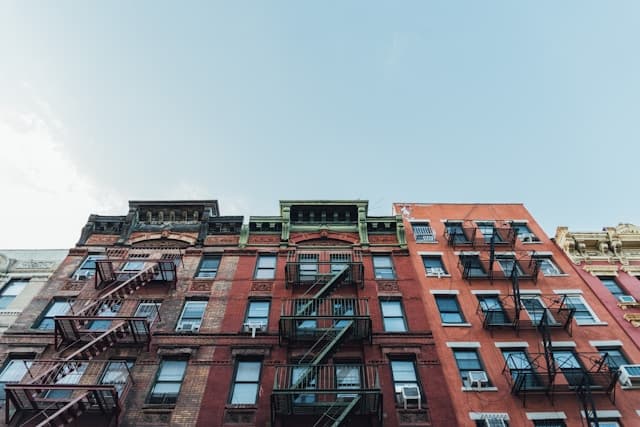
The Annex is part of TRREB district C02 (Annex, Casa Loma, and Wychwood), originally developed in the late 1880s when Toronto annexed the area from the Village of Yorkville. Many of the neighbourhood's defining red-brick Romanesque Revival and Queen Anne-style mansions date from 1885-1910, and the Annex Residents Association (ARA) is one of the most active heritage-preservation groups in the city.
Within the Annex, prices vary by block. The southern blocks closer to Bloor and Spadina — Madison Avenue, Brunswick Avenue, Borden Street, Howland Avenue — command the highest premiums because of walking proximity to U of T and the Bloor Street West retail strip. The northern blocks near Dupont (Bernard, Lowther, Tranby) offer slightly more value and larger lots.
South Annex (sometimes called Harbord Village or West Annex) extends south of Bloor toward College Street and west toward Bathurst. Casa Loma sits just to the north, anchored by the castle of the same name and slightly higher prices than the Annex core. You can browse Annex listings by sub-pocket to see how Howland Avenue heritage homes compare to South Annex semis.
The Annex real estate market in 2026
The Annex housing market in 2026 averages $2.65M for detached homes, $1.85M for semi-detached, and approximately $1.15M for two-bedroom condos in the small condo cluster along Avenue Road and Bloor Street West. TRREB C02 days on market averaged 21-26 for freeholds in Q1 2026, with sale-to-list ratios near 100-101%.
Why heritage matters for pricing
Roughly 35% of homes in the Annex core are individually heritage-designated or sit within the Madison Avenue Heritage Conservation District, the West Annex Phase I HCD, or the Bloor-Yorkville HCD. Heritage designation under Part IV or Part V of the Ontario Heritage Act significantly constrains exterior alterations — buyers should review designation status, alteration permit history, and ARA easements as part of due diligence on any Annex purchase.
Multi-unit and student rental economics
The Annex has historically been a strong student-rental market because of U of T proximity. Many older homes were converted to 3-6 unit multiplexes in the 1970s-1990s — some legally, some not. The City of Toronto's 2022 multiplex bylaw legitimizes up to four units citywide as-of-right, but Annex heritage rules can complicate exterior egress and fire-separation modifications. Typical Annex student-rental math:
- 5-bedroom shared rental: $5,800-$7,200/month total
- Single private bedroom in shared house: $1,150-$1,450/month
- 1-bed basement suite: $1,900-$2,300/month
- Legal triplex gross yield on $2.4M acquisition: roughly 4.8% before financing
Landlords should review the Residential Tenancies Act on rent control — buildings first occupied for residential use before November 15, 2018 remain subject to the 2026 Ontario rent guideline of 2.5%, with Section 100 above-guideline applications required for capital expenditures. See our For Landlords hub for AGI and N12/N13 process timelines.
Schools and university access
The Annex is the only Toronto neighbourhood where you can walk to a top-ten global university — the University of Toronto's St. George campus is immediately south at Bloor and St. George. Beyond U of T, public school catchments include Huron Street Junior Public School, Palmerston Avenue Junior Public School, and Lord Lansdowne Junior Public School. Catchment high schools include Central Technical School and Harbord Collegiate Institute.
Private school options inside or near the Annex include Royal St. George's College (boys, Howland Avenue), De La Salle College Oaklands (just north), and Bishop Strachan School (Forest Hill). Many Annex families specifically choose the neighbourhood for walking access to RSG (tuition ~$48,000 in 2026).
Transit and access
Transit in the Annex is exceptional. The TTC Line 1 Yonge-University subway runs along the eastern edge at St. George, Spadina, and Bay stations. The TTC Line 2 Bloor-Danforth subway runs along the southern edge at the same St. George and Spadina stations plus Bathurst. Downtown commutes to King are 10-14 minutes, and the new Bloor-Yonge expansion (completed 2025) added platform capacity at the Annex's busiest interchange.
The TTC 510 Spadina streetcar runs north-south along Spadina Avenue providing south Annex access to Spadina Subway and to King/Queen. The 26 Dupont bus runs east-west along the neighbourhood's northern edge. Pearson is 30-40 minutes by Allen Road and Highway 401, or 35 minutes via UP Express (board at Bloor Station, 15 minutes south).
Annex lifestyle and culture
The Annex has long been Toronto's literary and intellectual heart. Margaret Atwood lives in the neighbourhood. The University of Toronto's Robarts Library, Massey College, and the Munk School of Global Affairs are all within walking distance. The Bata Shoe Museum, the Royal Ontario Museum (Bloor and University), and the Bloor Hot Docs Cinema anchor the cultural infrastructure.
Bloor Street West retail
Bloor Street West between Spadina and Bathurst is one of the most distinctive independent retail strips in Toronto, with destination retailers including BMV Books, Future Bakery, By the Way Café, Insomnia Restaurant + Lounge, and the famous Honest Ed's site (which is being redeveloped into the Mirvish Village mixed-use project by Westbank). The Madison Avenue Pub remains the de facto U of T graduate-student gathering spot.
Mirvish Village redevelopment
The 23-tower Mirvish Village project at Bathurst and Bloor — replacing the old Honest Ed's site — is delivering approximately 916 rental units, retail, and public realm improvements between 2024 and 2028. The project is expected to add density without significantly disrupting heritage streetscapes, and local agents anticipate modest upward pressure on West Annex rents and condo prices as the project completes.
Should you buy in the Annex?
The Annex is best suited for buyers who value walkable urban living, heritage character, and university or cultural-institution access over yard space and parking. Typical buyer profiles include U of T faculty, downtown professionals, established Toronto families wanting downsized but central housing, and parents buying student-investor properties for children entering U of T undergraduate or graduate programs.
For sellers, the playbook depends heavily on heritage status. Non-heritage-designated homes can be staged and listed conventionally, but heritage homes need agents experienced with Heritage Conservation District purchasers and the additional disclosure requirements under TRESA's 2023 Information Guide. Get a free instant home valuation calibrated to C02 comparables, or Ask Zara about heritage-permit history on a specific address.
Frequently asked questions
How much is a house in the Annex in 2026?
Detached homes in the Annex averaged $2.65M in Q1 2026, with semi-detached at $1.85M and condos at approximately $1.15M per TRREB C02 data. Heritage-protected Victorian and Queen Anne mansions on Madison, Howland, and Brunswick avenues regularly trade between $3.2M and $4.8M. Days on market average 21-26 for freeholds, longer than west-end family pockets because the buyer pool is narrower and heritage due diligence takes additional time. Sale-to-list ratios sit near 100-101%, indicating a balanced market with selective multi-offer activity.
What is a Heritage Conservation District and how does it affect Annex buyers?
A Heritage Conservation District (HCD) is an area designated under Part V of the Ontario Heritage Act, in which exterior alterations require municipal heritage permits. The Madison Avenue HCD, West Annex Phase I HCD, and Bloor-Yorkville HCD cover much of the Annex. Buyers cannot replace windows, roof materials, or facades without permit review, and additions are typically restricted to rear elevations. Heritage status reduces some short-term renovation flexibility but generally supports long-term values by preserving streetscape character.
Is the Annex good for student rentals?
Yes — the Annex has been a strong student-rental market for decades because of immediate U of T St. George access. Many older homes were converted to multiplexes legally or informally. Under the City of Toronto's 2022 multiplex bylaw, up to four units are permitted as-of-right citywide, though heritage rules in the Annex can complicate exterior modifications. Typical economics: a 5-bedroom shared rental generates $5,800-$7,200/month total, with individual private bedrooms at $1,150-$1,450/month. Legal triplexes on $2.4M acquisitions yield approximately 4.8% gross.
What's the difference between the Annex, South Annex, and Casa Loma?
The Annex core sits between Bathurst, Avenue Road, Bloor, and Dupont. South Annex (sometimes called Harbord Village) extends south of Bloor toward College Street. Casa Loma is the slightly higher-priced pocket north of Dupont surrounding the eponymous castle and Spadina House Museum. Average prices in 2026: Annex core ($2.65M detached), South Annex ($1.95M detached, more semis), Casa Loma ($3.4M detached, more estate-scale lots). All three sit within TRREB district C02.
Is the Annex walkable?
Yes — the Annex has a Walk Score around 96 and a Transit Score around 100, ranking it among the most accessible neighbourhoods in Canada. Residents can walk to two subway lines (Yonge-University and Bloor-Danforth), the U of T St. George campus, the Royal Ontario Museum, Robarts Library, and dozens of independent restaurants and bookshops within 5-10 minutes from most addresses. Cycling infrastructure along Harbord Street and the Bloor protected bike lane reinforces the car-light lifestyle.
Key takeaways
- Toronto's intellectual heart. Annex averages $2.65M detached / $1.85M semi in TRREB C02 in 2026.
- Heritage-protected streets. Multiple HCDs constrain exterior changes but support long-run values.
- U of T walking distance. Anchors faculty, graduate-student, and parent-investor buyer demand.
- Walk Score 96, Transit Score 100. Two subway lines and the 510 Spadina streetcar serve the area.
- Mirvish Village. 916-unit rental redevelopment at Bathurst & Bloor delivering 2024-2028.
- Cultural density. ROM, Hot Docs Cinema, Bata Shoe Museum, and Massey College all within walking radius.
Considering the Annex? Get a free instant home valuation, Ask Zara about heritage permit history, or read our mortgage financing guides for student-investor and multi-unit strategies.